
Best Michigan Wineries: A Local’s Guide to Wine Country
Last Updated: June 2026
Michigan makes far better wine than most people outside the state realize — more than 150 wineries across five federally recognized growing regions, turning out everything from world-class dry Riesling to bold Southwest Michigan reds. I went from casual sipper to full-on Michigan wine enthusiast one glass at a time, and these are the wineries I come back to for the wine, the views, and the welcome.
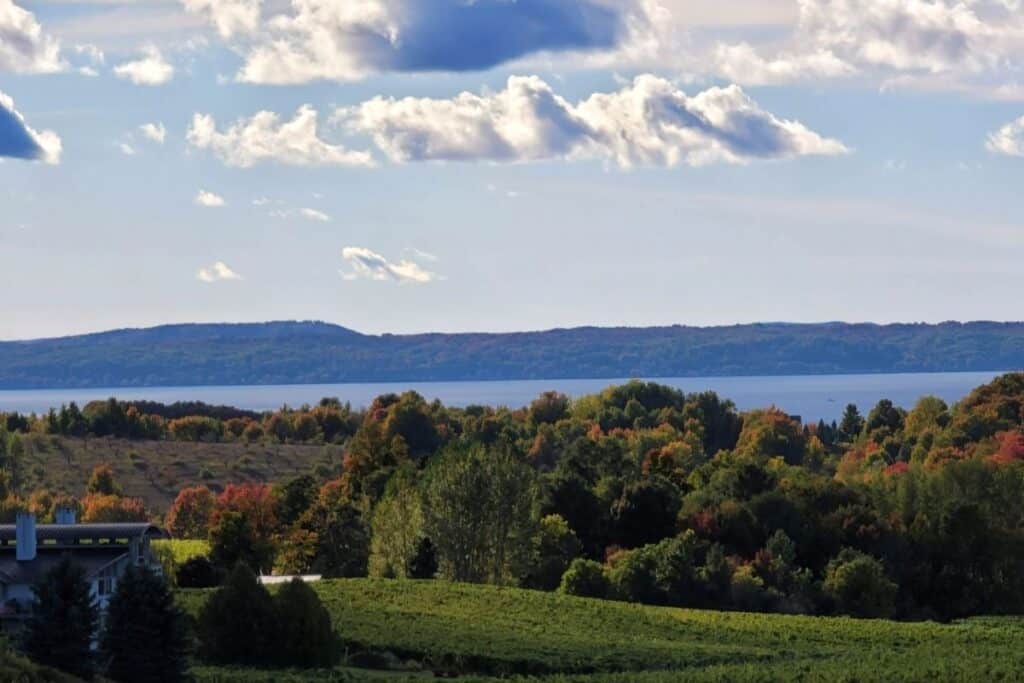
It started with a glass of Blue Heron from St. Julian and snowballed into winery weekends and wine-trail road trips up and down the state. Below I’ll cover why Michigan makes great wine, the AVAs and trails worth knowing, and my nine must-visit wineries — from St. Joseph in the southwest to the Leelanau and Old Mission peninsulas up north.
🍷 At a Glance: Michigan Wine Country
- 🍇 Size of the scene: 150+ wineries and five AVAs (federally recognized growing regions)
- 🏆 Signature grape: Riesling — Michigan is one of the country’s best Riesling states
- 📍 Two main regions: the northwest peninsulas (Leelanau + Old Mission) and Southwest Michigan
- 🌟 Most historic: St. Julian in Paw Paw — the state’s oldest and largest winery (since 1921)
- 🏞️ Best views: the Old Mission and Leelanau peninsulas over Grand Traverse Bay
- 📅 Best season: late summer and fall for harvest, color, and patio weather
Why Michigan Makes Great Wine
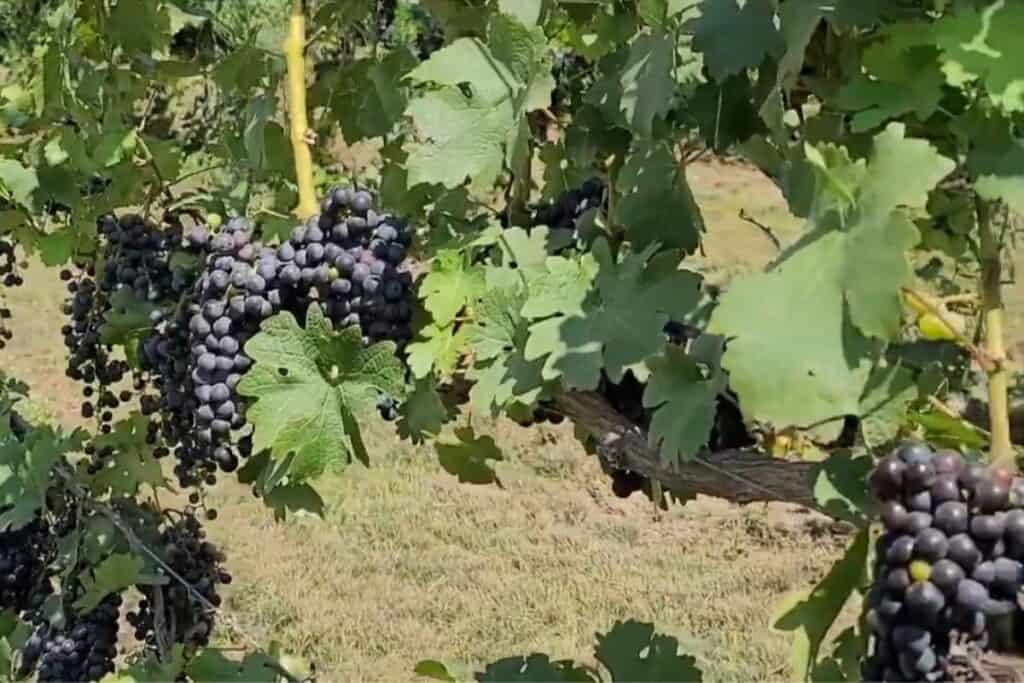
Michigan is one of the top wine-producing states in the country, with over 150 wineries and five designated American Viticultural Areas (AVAs): Leelanau Peninsula, Old Mission Peninsula, Lake Michigan Shore, Fennville, and the Tip of the Mitt. From crisp whites on the Leelanau Peninsula to bold reds in the southwest, the range is broader than most visitors expect.
The climate is what makes it work. Most vineyards sit within about 25 miles of Lake Michigan, where the lake moderates temperatures, protecting vines from harsh spring frosts and early fall freezes. Even the lake-effect snow helps, insulating dormant vines through winter.
Michigan’s northern vineyards also sit near the 45th parallel — a similar latitude to celebrated regions like Bordeaux and Piedmont — which delivers the warm days and cool nights that high-quality grapes love.
Michigan Wine Trails to Know
If you’re planning a tasting road trip, these are the main trails to build it around, each with its own character and signature varietals:
- Leelanau Peninsula Wine Trail — the state’s largest wine trail, crisp cool-climate whites near Traverse City
- Old Mission Peninsula Wine Trail — a compact, scenic strip of bayside tasting rooms
- Lake Michigan Shore Wine Trail — the heart of Southwest Michigan, the state’s oldest commercial region
- Pioneer Wine Trail — a southeast Michigan loop between the Detroit and Ann Arbor area and the Irish Hills
- Sunrise Side / Thumb-area trails — smaller, newer trails along the Lake Huron side of the state
Each trail has its own vibe and varietals, from scenic bayside tastings near Traverse City to relaxed countryside sips in the southwest.
My Must-Visit Michigan Wineries
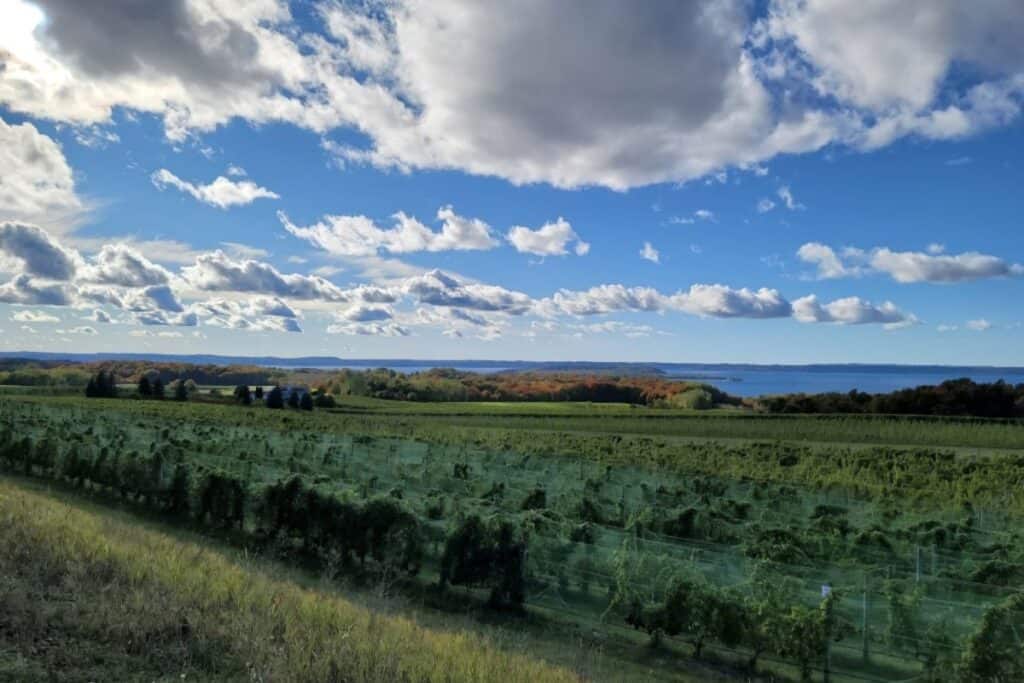
These nine span the state, from downtown tasting rooms in the southwest to hilltop estates over Grand Traverse Bay.
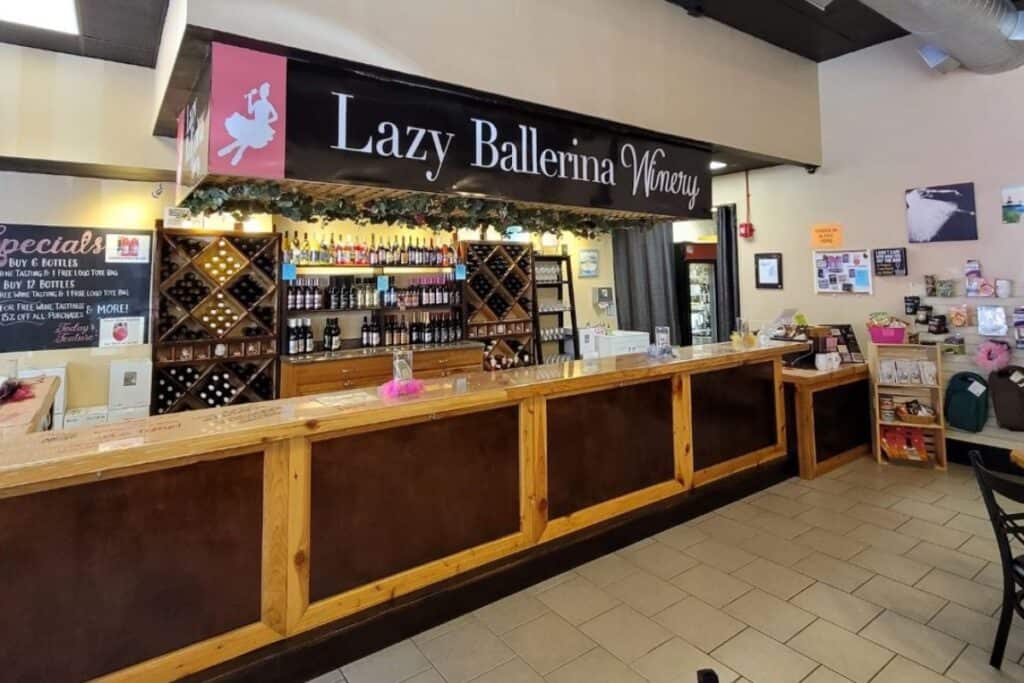
Lazy Ballerina Winery — St. Joseph
📍 321 State St, St. Joseph, MI 49085 | website
This friendly spot in downtown St. Joe is Southwest Michigan’s first woman-owned winery. The tasting room sits right in the walkable downtown, the space is light and airy, and the vibe is welcoming. Try the Cherry Kissed Red, a flavorful blend of Merlot and cherry wine.
Fenn Valley Vineyards — Fennville
📍 6130 122nd Ave, Fennville, MI 49408 | website
Not far from Grand Rapids or Kalamazoo, Fenn Valley runs one of the most detailed winemaking tours in the region — the whole vine-to-bottle process, with tasting along the way. I love the distinctly rural setting, sprawling acreage with a big green barn at the heart of it. The sparkling wines are the keystone, but the reds, dessert, and fruit wines hold their own. Pair it with our guide to Saugatuck to round out the area.
Lemon Creek Winery — Berrien Springs
📍 533 E Lemon Creek Rd, Berrien Springs, MI 49103 | website
In Berrien County, Lemon Creek pairs wine with deep farm history — the farm dates to 1834, passed down the Lemon family until descendants opened the winery generations later. It’s still family-owned and -operated, has added a second tasting room in Grand Haven, and runs a summer-to-fall farm market with seasonal u-pick fruit.
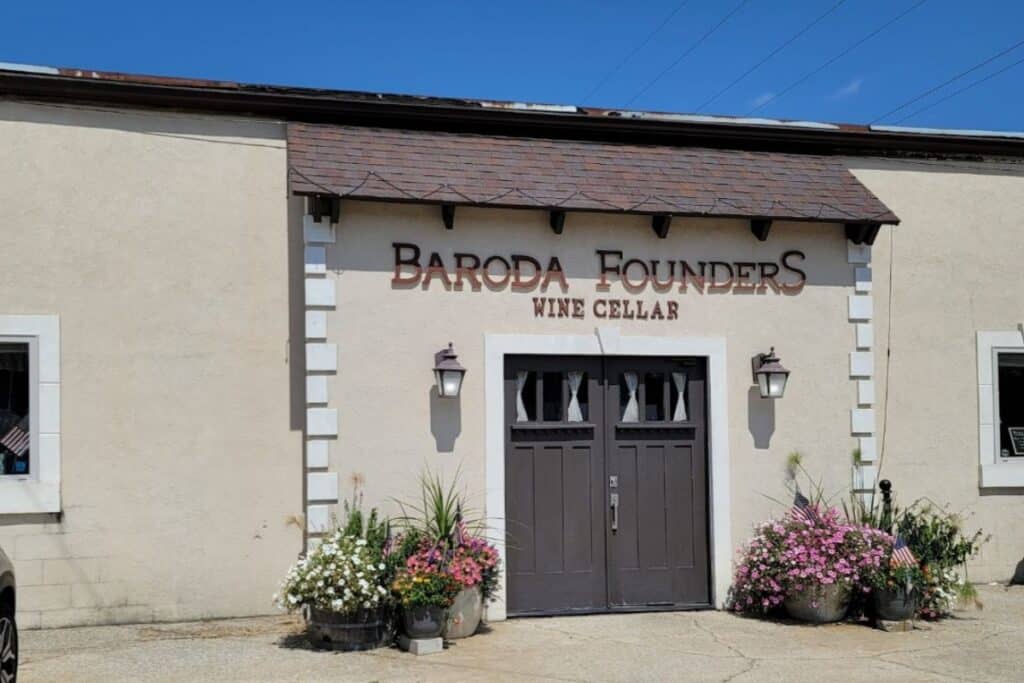
Baroda Founders Wine Cellar — Baroda
📍 8963 Hills Rd, Baroda, MI 49101 | website
Another favorite on the Southwest Michigan wine trail, this unassuming Baroda winery is where I grab a seat at the bar, watch the wine being processed, and sip a glass of Luce Del Sole, a crisp white table wine.
St. Julian Winery — Paw Paw (+ tasting rooms statewide)
📍 Paw Paw headquarters, plus tasting rooms across Michigan | website
St. Julian is Michigan’s oldest, largest, and most-awarded winery. Italian immigrant Mariano Meconi founded it in 1921 in Windsor, Ontario, as Border City Wine Cellars; after Prohibition’s repeal he moved it to Detroit, then to its current home in Paw Paw in 1936, and the St. Julian name arrived in 1941. The motto says it all — “Italian roots, Michigan soil.” With a century of practice, it’s hard to order a bad glass, from crisp Riesling to rich Merlot. The Blue Heron that started my own wine journey is theirs.
💡 PRO TIP: St. Julian has tasting rooms across the state — Paw Paw, Union Pier, Frankenmuth, Dundee, and more — so you can usually find one near wherever you’re traveling in Michigan. The Paw Paw headquarters runs weekend winemaking tours and is the one to visit if you want the full story.
Black Star Farms — Suttons Bay & Traverse City
📍 10844 E Revold Rd, Suttons Bay & 360 McKinley Rd E, Traverse City | website
With two locations just outside Traverse City, Black Star Farms is one of Northern Michigan’s premier wineries — and far more than a tasting room. The operation started in Suttons Bay and now includes wineries, tasting rooms, a distillery, horse stables, trails, a café, and an upscale ten-bedroom inn. It’s best known for whites like Riesling and Chardonnay, but the reds earn attention too. Come in summer or fall for the Leelanau Peninsula views.
Chateau Chantal Winery & Inn — Old Mission Peninsula
📍 15900 Rue de Vin, Traverse City, MI 49686 | website
On Old Mission Peninsula, Chateau Chantal sits on rolling hills overlooking Grand Traverse Bay, with wine, food, and events year-round, plus a B&B on-site. It’s known for its Riesling, and winter brings reservation-only igloo dining and the annual Fire & Ice wine dinner in January — a favorite with regulars.
2 Lads Winery — Old Mission Peninsula
📍 16985 Smokey Hollow Rd, Traverse City, MI 49686 | website
2 Lads stands out for its sleek glass-and-steel architecture, hilltop East Bay views, and a strong focus on cool-climate reds and sparkling wines. It’s a modern, minimalist counterpoint to the older estates — come for the Pinot Noir and the sparkling, stay for the view.
Verterra Winery — Leland
📍 103 E River St, Leland, MI 49654 | website
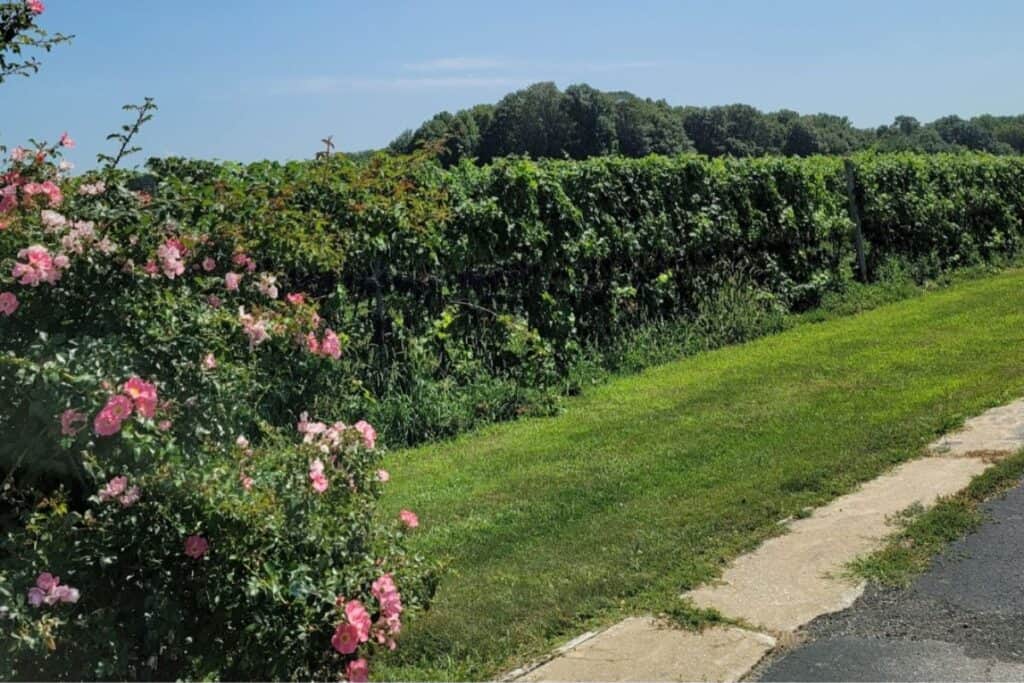
This Leelanau Peninsula winery seems to catch Northern Michigan charm in every bottle. Family-owned Verterra is a relative newcomer producing award-winning wines from its Northport-area vineyards. The downtown Leland tasting room is steps from the Lake Michigan beach, and the Ridge at Verterra is a destination event site with panoramic views of Lake Michigan and Grand Traverse Bay.
Frequently Asked Questions About Michigan Wineries
How many wineries are in Michigan?
Michigan has more than 150 wineries spread across five federally recognized American Viticultural Areas (AVAs). The largest concentrations are on the Leelanau and Old Mission peninsulas near Traverse City in the north, and along the Lake Michigan Shore in the southwest.
What wine is Michigan known for?
Riesling is Michigan’s signature grape — the state is considered one of the best Riesling producers in the country, making dry, off-dry, and sweet styles. Michigan is also known for cool-climate whites like Chardonnay and Pinot Gris, sparkling wines, and authentic ice wine made from grapes frozen on the vine.
What is the oldest winery in Michigan?
St. Julian Winery in Paw Paw is Michigan’s oldest, founded in 1921 by Italian immigrant Mariano Meconi. It’s also the state’s largest and most-awarded winery, with tasting rooms across Michigan.
Where is the best wine region in Michigan?
It depends on your style. The Leelanau and Old Mission peninsulas near Traverse City are best for cool-climate whites, scenic bay views, and a concentrated wine-trail experience. Southwest Michigan, along the Lake Michigan Shore, is the oldest region and leans toward bolder reds, and it’s the easiest drive from Chicago.
When is the best time to visit Michigan wineries?
Late summer and fall are ideal — harvest season brings the vineyards to life, the fall color is spectacular on the peninsulas, and patio weather lingers. Summer weekends are busiest, so reserve tastings ahead. Many northern wineries also run cozy winter tastings and events.
Do Michigan wineries require reservations?
Many of the popular northern wineries take reservations, especially on summer and fall weekends, and some require them. It’s smart to book your first couple of stops ahead and leave the rest of the day open. Always line up a designated driver when you’re tasting along a trail.
Plan Your Michigan Wine Trip
These nine are just a starting point for a state with more than 150 wineries. Whether it’s a girls’ getaway, a romantic weekend, or a solo road trip through wine country, there’s plenty to sip, savor, and explore. If you have a favorite Michigan winery I missed, tell me in the comments. For more planning, start with these:
- Best Traverse City Wineries
- Southwest Michigan Wineries
- Old Mission Peninsula Guide
- Leelanau Peninsula Guide
- About Jill
- Recent Michigan Travel Tips

Jill Halpin is a Michigan travel expert and founder of MyMichiganBeach.com. She has been sourced by The Washington Post and featured in The Detroit News and Detroit Free Press, and appears regularly on WDIV Detroit, FOX 2 Detroit, FOX 17 West Michigan, FOX 32 Chicago, WGN Chicago, and NewsNation — 60+ television appearances to date. She holds an MLIS from Wayne State University and is a Library of Congress Information Science Fellow. See all media features.