
Michigan National Parks: Explore the State’s Most Beautiful and Historic Sites
Last Updated: April 2026
Michigan has four official National Park Service units — two national lakeshores, one national park, and one national battlefield — plus a national scenic trail that crosses the entire state. I’ve visited all of them, and the range is remarkable: from one of the most remote wilderness islands in the country to a fully accessible battlefield park 35 miles from Detroit. This guide covers all of them honestly, including which ones require serious planning and which ones you can visit on a whim.
📌 In a Nutshell
- Michigan’s 4 NPS units: Sleeping Bear Dunes (national lakeshore), Pictured Rocks (national lakeshore), Isle Royale (national park), River Raisin (national battlefield).
- Best for families: Sleeping Bear Dunes — accessible dunes, beaches, and scenic drives with options for every fitness level.
- Best for serious adventurers: Isle Royale — ferry or seaplane access only, open April 16–October 31, requires advance planning.
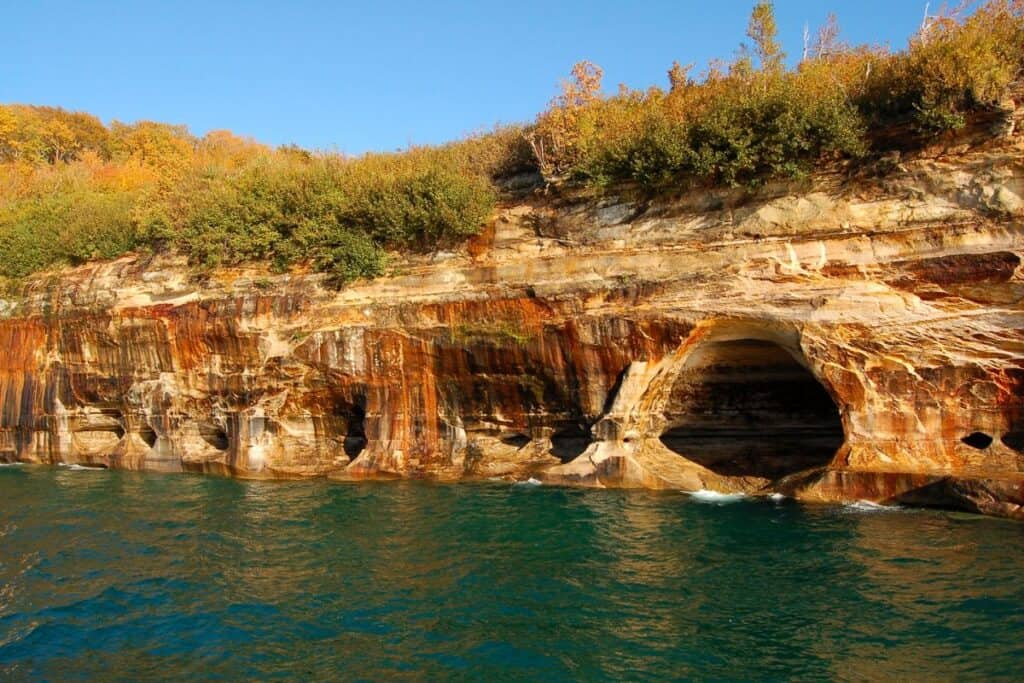
- Best for photographers: Pictured Rocks — sandstone cliffs best seen by kayak or boat tour from Munising.
- Entrance fees: Sleeping Bear, Pictured Rocks, and River Raisin charge no entrance fee. Isle Royale: $7/person/day (America the Beautiful pass accepted).
- Also in Michigan: Keweenaw National Historical Park and the North Country National Scenic Trail (1,150 miles through Michigan).

Sleeping Bear Dunes National Lakeshore
Sleeping Bear Dunes is my first recommendation for anyone exploring Michigan’s national parks for the first time — and it’s the one I come back to most often. Located on the Leelanau Peninsula near Traverse City, this 35-mile stretch of Lake Michigan shoreline has the largest freshwater dunes in the world, rising up to 460 feet above the lake. Good Morning America named it “The Most Beautiful Place in America,” and I don’t argue with that.
What makes Sleeping Bear stand out from other parks is the range of experiences it offers. You can drive the Pierce Stocking Scenic Drive in a couple of hours with minimal walking, or spend a full day hiking the backcountry trails. My favorite hikes are Pyramid Point — a 2.6-mile loop to an overlook 375 feet above Lake Michigan — and the Sleeping Bear Point Trail, a two-mile route through the dunes to a Lake Michigan beach. In winter, the dunes become one of the best sledding spots in the state.
The park also includes the restored historic village of Glen Haven, the South Manitou Island ferry, and kayaking on Crystal River through the town of Glen Arbor. The Leelanau Peninsula surrounding the park is worth a full day of its own — wineries, small towns, and some of the best cherries in Michigan.
👉 South Manitou Island: The ferry from Leland runs 90 minutes each way. I’ve done the day trip multiple times — the island is undeveloped and stunning, but come prepared with bug spray, sunscreen, snacks, and plenty of water. Rustic overnight camping is available for those who want to stay.
- 📍 9922 Front St, Empire, MI 49630 (Park Headquarters)
- 💰 $25/vehicle weekly pass; $45 annual pass; free with America the Beautiful pass
- 🌐 nps.gov/slbe
- 🐾 Dogs allowed on most trails and beaches — check the NPS site for restricted areas
- ♿ Pierce Stocking Scenic Drive is accessible by vehicle; several overlooks are paved and accessible

Pictured Rocks National Lakeshore
Pictured Rocks National Lakeshore is the one that tends to leave people speechless. The 42-mile stretch of Lake Superior shoreline in Michigan’s Upper Peninsula features sandstone cliffs that rise up to 200 feet above the water, stained with greens, reds, and oranges from the minerals in the rock. I’ve seen them from both a kayak and a boat tour, and both experiences are completely different — the kayak puts you right at water level alongside the caves and arches, while the cruise gives you the full scale of the cliffs from a distance.
Beyond the cliffs, the park includes 10 inland lakes, nearly 100 miles of hiking trails, three major waterfalls (Miner’s Falls, Munising Falls, and Sable Falls), and Grand Sable Dunes — 300-foot sand dunes on the park’s eastern end that most visitors never reach. Early June and mid-September are my favorite windows: fewer crowds than peak summer, and the light on the cliffs in September is extraordinary.
👉 Fall visit tip: Start near Munising Falls for the best early fall foliage, then work east toward Grand Marais. For an elevated view, climb the tower at Au Sable Light Station — built between 1873 and 1874 on the southern Lake Superior shore — for one of the best panoramas in the Upper Peninsula.
- 📍 N8391 Sand Point Rd, Munising, MI 49862 (Munising Falls Visitor Center)
- 💰 No entrance fee — backcountry camping permits required ($15/person/night)
- 🌐 nps.gov/piro
- 🐾 Dogs allowed on some trails — check NPS site; not permitted on boat tours

Isle Royale National Park
Isle Royale is not for everyone — and I mean that as a compliment. This car-free wilderness island in Lake Superior is accessible only by ferry or seaplane, and it’s one of the least-visited national parks in the country precisely because getting there requires real commitment. The reward is a kind of solitude and wildness that’s nearly impossible to find anywhere else in the Midwest.
The island opens for the 2026 season on April 16 and closes October 31 — confirm your ferry before booking anything else, because transportation is the variable that controls everything. The Isle Royale Queen IV sails from Copper Harbor (about 3.5 hours each way); the Ranger III departs from Houghton; seaplane service is available for those who want to skip the boat entirely. Entrance fee is $7 per person per day, or $60 for an annual Isle Royale pass — America the Beautiful passes are accepted.
Once there, the 165 miles of hiking trails range from day hikes near Rock Harbor to multi-day backcountry routes. Wildlife is genuinely wild here — the island is home to wolves and moose, and the long-running predator-prey study tracking their relationship is the longest of its kind in the world. Underwater, the park has some of the best freshwater shipwreck diving in the country. Lodging options include Rock Harbor Lodge (full service), Windigo Camper Cabins, lean-to shelters, and backcountry tent camping.
👉 Plan honestly: Book ferry and lodging at the same time — transportation sells out, and Rock Harbor Lodge cannot waive cancellation fees if you can’t get there. Budget at least 3 nights to make the journey worthwhile. Light pollution is essentially zero here, making Isle Royale one of the best stargazing destinations in Michigan.
- 📍 800 E Lakeshore Dr, Houghton, MI 49931 (Park Headquarters)
- ⏰ Open April 16–October 31, 2026
- 💰 $7/person/day; $60 annual Isle Royale pass; America the Beautiful pass accepted
- 📞 906-482-0984
- 🌐 nps.gov/isro
River Raisin National Battlefield Park
River Raisin is Michigan’s most overlooked national park unit — and the easiest to visit. Located in Monroe, just 35 miles south of Detroit, it’s the only NPS unit in the country dedicated to the War of 1812, and it’s fully accessible with eight miles of paved trails through a landscape that looks nothing like the northern wilderness parks. This is a genuine half-day trip from Detroit or Toledo.
The park preserves the site of the January 1813 Battle of the River Raisin, which resulted in the greatest American defeat of the war and the largest death toll of any battle in the Northwest Territory. The aftermath directly shaped U.S. policy toward Native nations — this history is heavier than most people expect going in. The visitor center has interactive exhibits and living history demonstrations, and the park hosts reenactments and educational programs throughout the year.
- 📍 1403 E Elm Ave, Monroe, MI 48162
- ⏰ Visitor center hours — confirm at nps.gov/rira before visiting
- 💰 No entrance fee
- 📞 734-243-7136
- 🌐 nps.gov/rira
- ♿ Fully accessible — paved trails, accessible visitor center and restrooms
Keweenaw National Historical Park
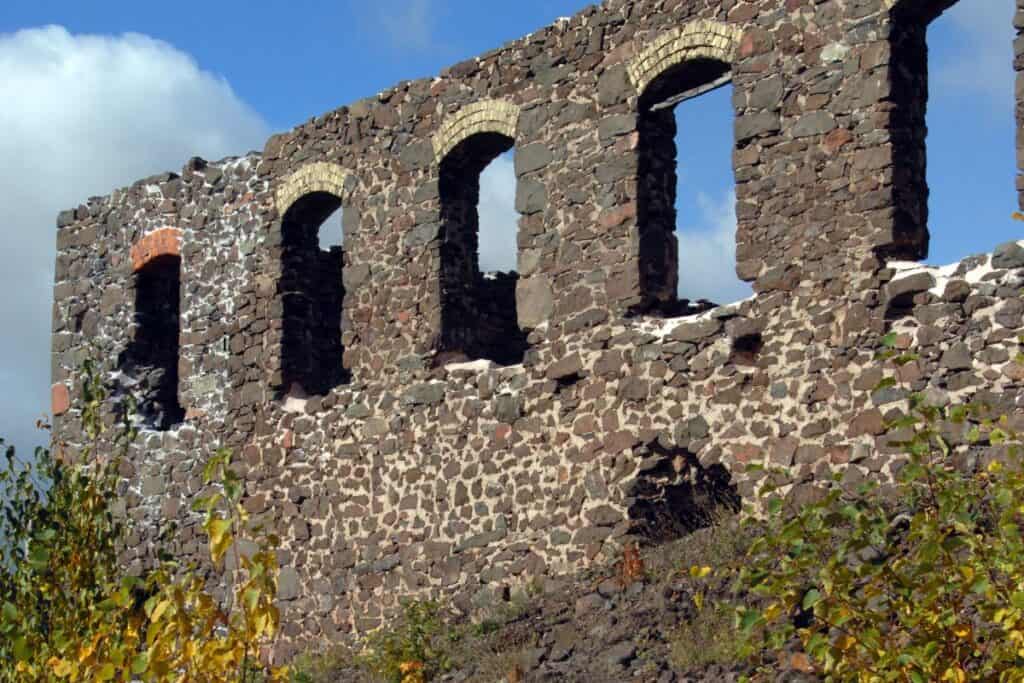
Keweenaw National Historical Park isn’t a park in the traditional sense — there’s no single entrance, no gate, no admission fee. It’s a network of 21 historic sites scattered across the Keweenaw Peninsula in Michigan’s Upper Peninsula, preserving the story of the world’s first large-scale copper mining industry. Native Americans mined copper here 7,000 years ago; commercial mining operations ran from the 1840s until 1968. At its peak, this region produced 75% of the copper used in the United States.
The anchor sites are in Calumet and Hancock. In Calumet, the Calumet Theatre — an 1898 opera house that still hosts performances — is one of the most atmospheric buildings I’ve visited anywhere in Michigan. The Quincy Mine offers underground tours that put you inside a working 19th-century copper mine. The Finnish American Heritage Center in Hancock tells the story of the Finnish immigrants who came here to work the mines and stayed to build communities. It’s an unexpectedly rich cultural experience for a part of the UP most visitors skip entirely.
👉 Combine with Fort Wilkins: Fort Wilkins State Park is at the tip of the Keweenaw Peninsula and pairs perfectly with the historical park — it’s one of Michigan’s oldest state parks and sits on the shore of Lake Fanny Hooe with a beautifully preserved mid-1800s fort.
- 📍 Headquarters: 25970 Red Jacket Rd, Calumet, MI 49913
- 💰 No entrance fee (individual site fees may apply)
- 📞 906-337-3168
- 🌐 nps.gov/kewe
North Country National Scenic Trail
The North Country Trail is the longest of the national scenic trails in the United States — 4,800 miles from Vermont to North Dakota — and Michigan has more of it than any other state. The trail runs 1,150 miles through Michigan, including 550 miles across the Upper Peninsula and 600 miles through the Lower Peninsula. That’s more trail than most people will hike in their lifetime, and you can pick it up in dozens of places without committing to a thru-hike.
In the UP, the trail passes through the Hiawatha and Ottawa National Forests, along the shores of Lake Superior, and near several waterfalls. In the Lower Peninsula, it connects through forests, farmland, and lakeshores from the Ohio border north to the Straits. The North Country Trail Association maintains trail alerts, maps, and event listings — check their site before any major outing.
- 💰 Free to hike — no permit required for most sections
- 🌐 northcountrytrail.org
Frequently Asked Questions
A: Michigan has four official National Park Service units: Sleeping Bear Dunes National Lakeshore, Pictured Rocks National Lakeshore, Isle Royale National Park, and River Raisin National Battlefield Park. Keweenaw National Historical Park and the North Country National Scenic Trail are also NPS-managed sites in the state.
A: Sleeping Bear Dunes, Pictured Rocks, Keweenaw, and River Raisin have no entrance fee. Isle Royale charges $7 per person per day — America the Beautiful passes are accepted.
A: Isle Royale opens for the 2026 season on April 16 and closes October 31. Access is by ferry from Copper Harbor or Houghton, or by seaplane. Book transportation well in advance — it sells out.
Which Michigan National Park Is Right for You?
After visiting all of these, here’s my honest take on who each one is best for:
- First-time visitor or families with kids: Start with Sleeping Bear Dunes. It’s the most accessible, has the widest range of activities, and the scenery is genuinely world-class. Drive the Pierce Stocking, do one hike, swim in the lake.
- Photographers and kayakers: Pictured Rocks. Book a guided kayak tour or the Pictured Rocks Cruise from Munising. Come in early September when the light is at its best and the crowds have thinned.
- Serious backcountry hikers and wilderness seekers: Isle Royale. Plan 4–7 days, book your ferry months in advance, and go prepared. It’s the most demanding and the most rewarding.
- History enthusiasts near southeast Michigan: River Raisin. Easy day trip from Detroit, fully accessible, and the history is genuinely affecting once you understand the full context of what happened here.
- Cultural history and UP road trips: Keweenaw. Pair it with the Quincy Mine tour and a drive to Fort Wilkins at the tip of the peninsula. Most UP visitors skip this and miss something special.
For more Upper Peninsula travel planning, including where to stay near Pictured Rocks and Isle Royale, my full UP guide has everything you need. And if you’re exploring Michigan’s national forests alongside these parks, there’s a lot of overlap worth planning around.
👉 Sign up for the MyMichiganBeach.com newsletter for Michigan travel guides, seasonal updates, and trip ideas delivered to your inbox.
- About Jill
- Recent Michigan Travel Tips

Jill Halpin is a Michigan travel expert and founder of MyMichiganBeach.com. She has been sourced by The Washington Post and featured in The Detroit News and Detroit Free Press, and appears regularly on WDIV Detroit, FOX 2 Detroit, FOX 17 West Michigan, FOX 32 Chicago, WGN Chicago, and NewsNation — 60+ television appearances to date. She holds an MLIS from Wayne State University and is a Library of Congress Information Science Fellow. See all media features.